
Thinking clearly about a capability that will not stand still.
Essays from our validators, security engineers and policy leads on AI governance, responsible deployment, the future of the field — and what humans should hold on to as it arrives.

All essays

Responsible AI in practice: five tests that separate intention from outcome
Every AI principles statement mentions fairness, transparency and accountability. Here is what each one looks like when it is actually measured, and why the measurement is where most programmes stall.

The future of AI in three horizons — and what each one asks of us
Predictions about AI age badly. Horizons age better: what is here now, what is arriving, and what is plausible but unproven. Each demands a different posture from institutions.

AI is a gift. What should humans focus on to be worthy of it?
When a machine can draft, calculate, translate and summarise, the human contribution does not shrink. It moves. Here are five places it moves to, and how to invest in them.

Seatbelts for the AI era: the precautions individuals, companies and states should take now
Precaution is not pessimism. It is what allows a powerful capability to be used confidently. A practical list, in three layers, that does not require anyone to slow down.

Complement, don't compete: designing work where humans and models each do what they are for
The productive question is not "can the model do this job?" but "which parts of this job should it do, and how do we design the handover?" A short field guide to division of labour.
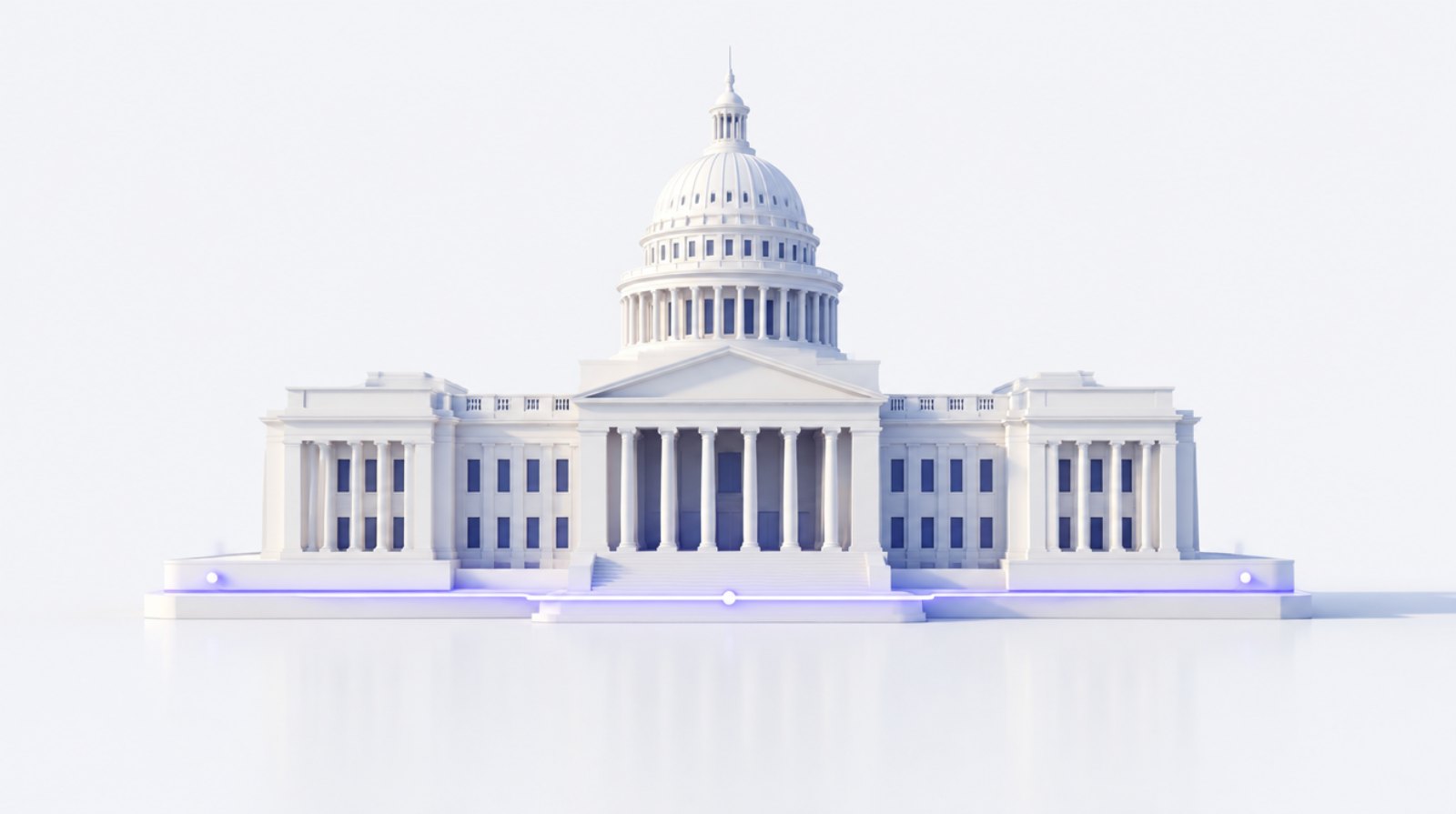
National AI programmes need a testing house, not just a strategy
Countries have published strategies, appointed ministers and funded compute. The missing institution in most of them is the one that can say, with evidence, whether a system is fit for public use.

Anatomy of a Trust Proof: what a certificate has to bind to be worth anything
A certificate that says "this model was assessed" is a press release. A certificate that binds the model hash, the data lineage, the compute attestation and the test results into one signed object is evidence.

AI literacy for the people who sign: what boards and senior officials need to know
Article 4 of the EU AI Act makes AI literacy an obligation. For the people who approve deployments, literacy is not knowing how transformers work. It is knowing which questions to ask and what a bad answer sounds like.

A twelve-month roadmap for trustworthy AI adoption
Organisations do not need to choose between moving fast and being able to stand behind what they ship. A quarter-by-quarter plan that builds assurance alongside capability rather than after it.
Ideas are cheap. Signed evidence is not.
Everything in these essays is what we do on engagements: test, separate, monitor, prove. See how a proof is issued or talk to the people who sign them.