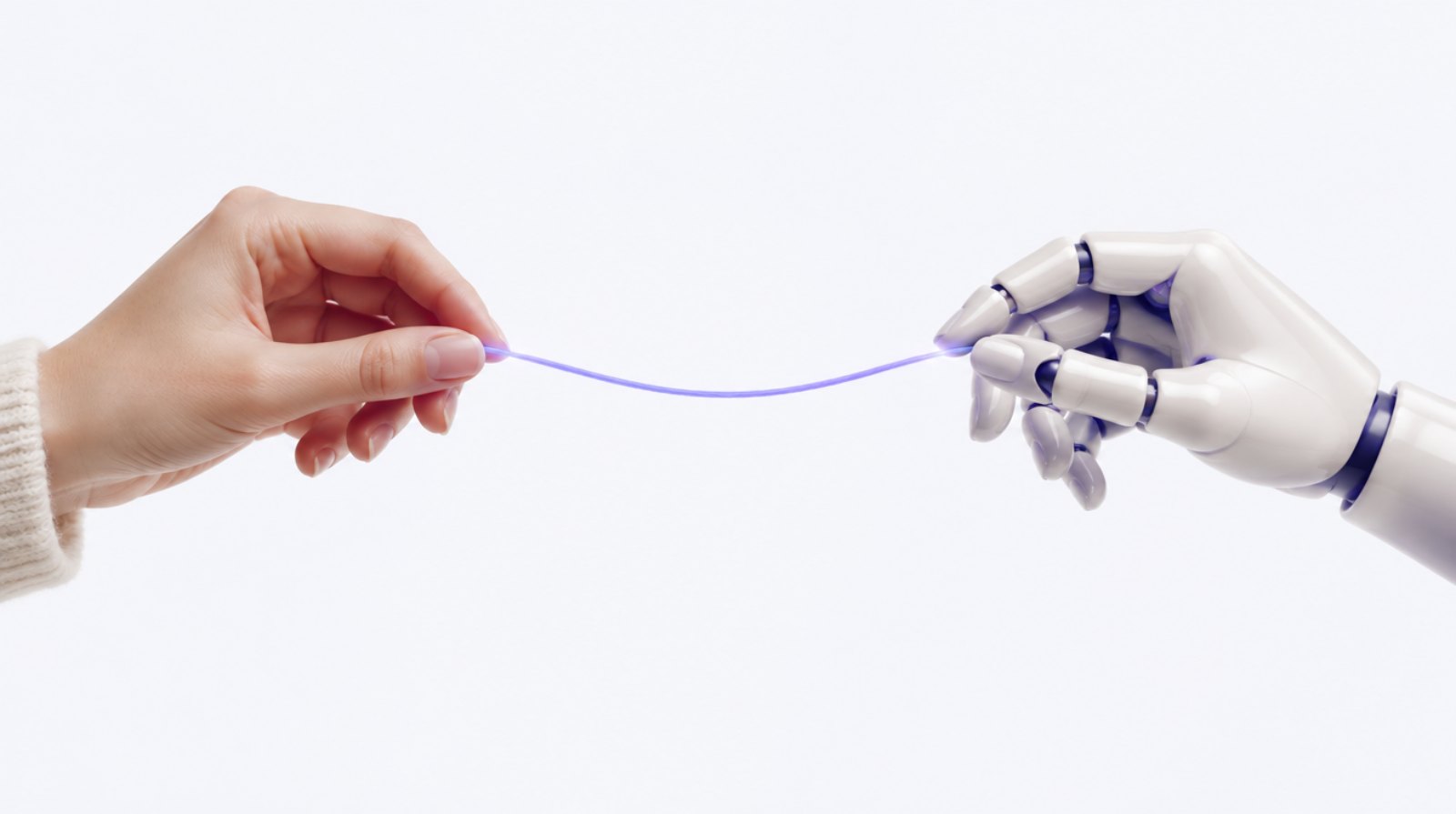
AI is a gift. What should humans focus on to be worthy of it?
When a machine can draft, calculate, translate and summarise, the human contribution does not shrink. It moves. Here are five places it moves to, and how to invest in them.
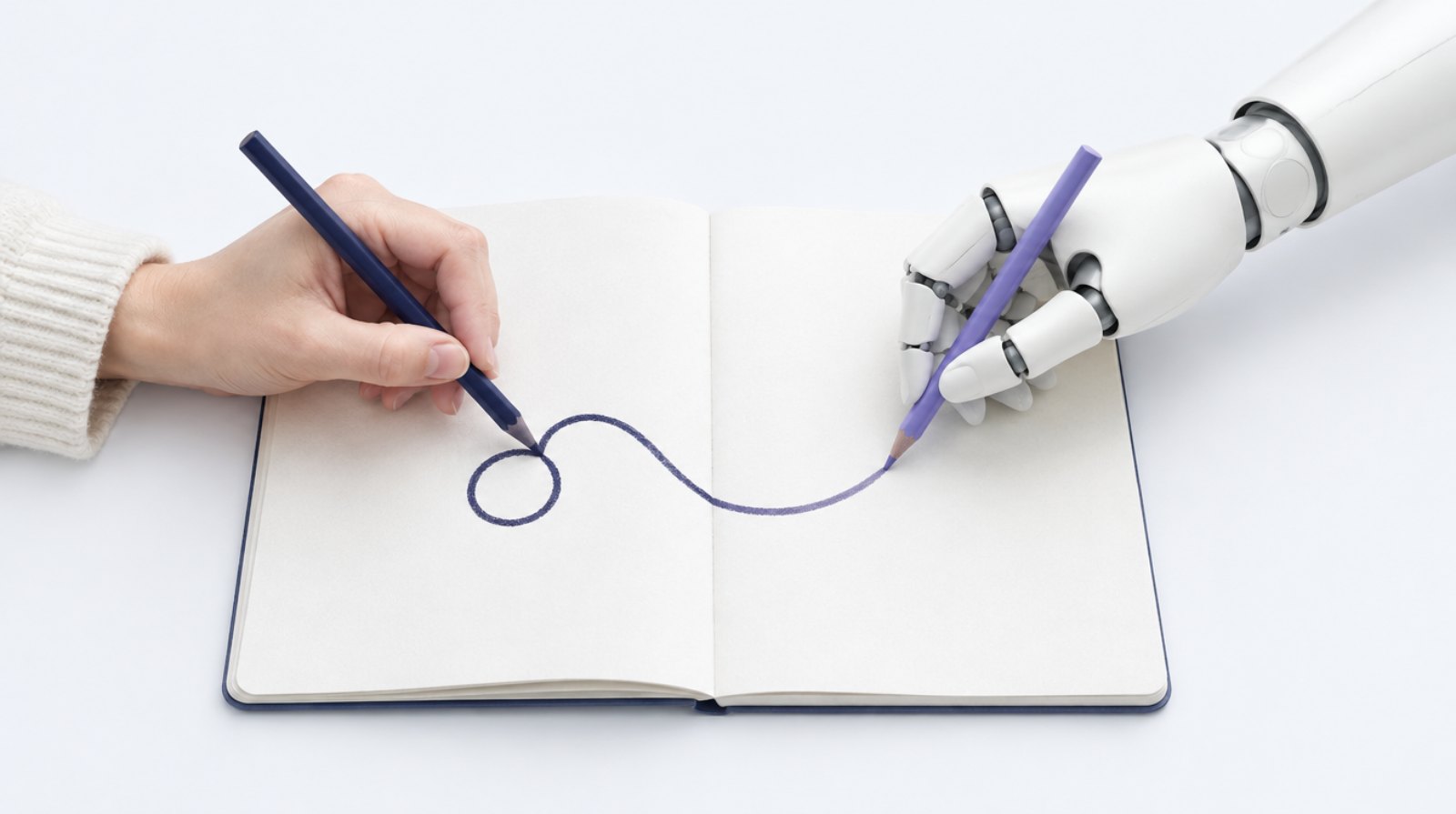
There is a version of the AI story in which humans are gradually displaced, one task at a time. There is another in which a remarkable capability has arrived and the question is what we do with the attention it frees. We think the second version is more accurate and much more useful, but only if humans deliberately move towards the work machines cannot do — rather than competing at the work they now can.
1 · Judgement about ends, not means
Models are extraordinary at means: given a goal, they find paths. They are silent on whether the goal is worth pursuing. Deciding what a hospital should optimise for, what a bank should refuse to automate, what a school should protect — these are human decisions, and they are being made by default when nobody makes them deliberately.
2 · Asking better questions
The bottleneck has moved from producing answers to formulating questions worth answering. Framing a problem precisely, noticing which assumptions are hidden in it, and knowing what evidence would change your mind: these were always valuable and are now decisive.
3 · Verification and taste
Fluent output is cheap. Knowing whether it is correct, appropriate, or good is not. Domain expertise is shifting from generation towards evaluation — the clinician who can spot the plausible-but-wrong recommendation, the lawyer who catches the fabricated citation, the engineer who sees the test that was not run. Invest in the ability to check.
4 · Relationships and accountability
Trust is granted to people, not to systems. A person can be asked why, can be held to account, can apologise and change. Institutions will continue to need humans who will put their name to a decision, and the value of that signature rises as the machinery behind it becomes more opaque.
5 · Care for the people the systems touch
Every automated decision lands on a person. Someone has to notice when it lands badly, to design the appeal, to sit with the customer who was wrongly declined. This work is not residual; it is where the legitimacy of the whole system is earned or lost.
The gift is capacity. What we owe in return is judgement.
Practically: fund evaluation skills as seriously as build skills. Put humans at the points where ends are chosen and where outcomes are felt. And measure your organisation not by how much it has automated, but by how well it can explain and stand behind what it has.